
Noseberry Digitals
Why Property Developers Are Building Their Own Portals (And What It Costs to Not Do It)
Published March 31, 2026|7 min read
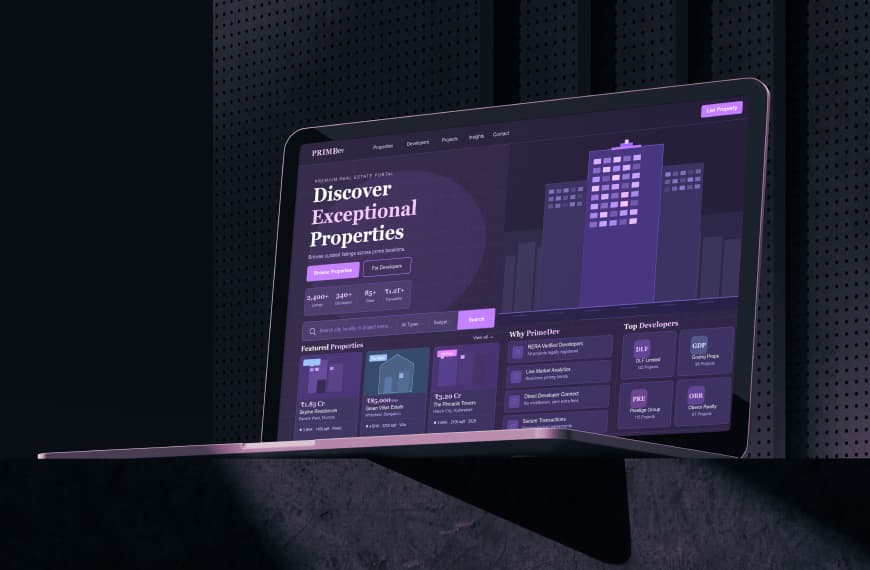
For years, the default strategy for property developers trying to reach buyers was simple: list on the major portals, pay the fees, and wait for enquiries. It worked well enough when portal reach was genuinely hard to replicate and when the cost of building an alternative was prohibitive. Both of those conditions have changed. Building […]
For years, the default strategy for property developers trying to reach buyers was simple: list on the major portals, pay the fees, and wait for enquiries. It worked well enough when portal reach was genuinely hard to replicate and when the cost of building an alternative was prohibitive. Both of those conditions have changed. Building a branded property portal is no longer an enterprise-scale project. And the cost of continuing to rely entirely on third-party platforms, measured in data dependency, lead cost, and strategic vulnerability, has become visible enough that a growing number of developers are doing the maths and arriving at a different conclusion.
What Has Changed About the Portal Model
Third-party property portals built their dominance on two things: aggregated inventory that buyers wanted to browse, and a distribution reach that individual developers and agencies could not match independently. Those advantages still exist but they are less absolute than they were. Search engine optimisation for individual property listings has matured significantly. Buyers use multiple discovery channels including social media, direct search, and developer websites alongside portal browsing. The assumption that buyers only find property through major portals is no longer accurate, and the data bears that out across every major market. Meanwhile, the cost of building a functional property portal has dropped substantially. Modern development frameworks, cloud infrastructure, and API ecosystems mean a capable developer microportal can be built and launched in fourteen to eighteen weeks rather than twelve to eighteen months. The technology barrier has largely dissolved. What remains is the business case question: does the investment in an owned portal deliver enough to justify the upfront cost and the ongoing maintenance? For most developers running active marketing budgets, the answer is yes within a relatively short payback period. The question is not really whether to build but when and at what scope.
What You Are Actually Paying For When You List on a Third-Party Portal
Portal listing fees are straightforward to understand as a line item. A fixed annual or monthly fee for a certain number of listings, with premium placement available at additional cost. The marketing team knows the number, it appears in the budget, and the leads that come from it are attributed back to the portal in the reporting. What is less clearly understood is what that fee does and does not buy. It buys access to an audience that has already chosen to use that platform to find property. It buys visibility within that platform’s search results, subject to their ranking algorithm. It buys a lead notification when a buyer submits an enquiry. What it does not buy is any relationship with the buyer beyond that notification. The portal owns the buyer’s search history, their engagement with listings, their saved properties, and their enquiry behaviour. When the buyer enquires, you receive a name and a phone number. The portal retains everything else. That is not a criticism of how portals operate. It is their business model, and it is clearly communicated in the terms. The problem is that most developers have not fully considered what they are giving up in exchange for the convenience of a managed lead flow.
The Data Problem Nobody Talks About Enough
The most undervalued cost of portal dependency is not the fee. It is the absence of buyer data. A developer who generates five hundred enquiries per year through a third-party portal has five hundred names and phone numbers in their CRM. A developer who generates the same five hundred enquiries through their own portal has five hundred contact records plus every interaction those buyers had with the platform before they enquired. Pages viewed, time spent on floor plans, properties saved, return visits, calculator usage, brochure downloads, and video views. That behavioural data changes what you can do with a lead. A buyer who spent eleven minutes on the floor plan for a specific unit and returned to it twice before enquiring is a different conversation from a buyer who clicked through from an ad and submitted a form without engaging with any content. Over time, the behavioural data from an owned portal also builds an audience. Buyers who visited but did not enquire can be retargeted. Buyers who enquired but did not convert can be re-engaged when new inventory is released. None of that is possible with portal-generated leads. The portal owns the audience relationship.
What an Owned Property Portal Actually Delivers
A developer microportal, built and launched properly, delivers several distinct capabilities that third-party platforms cannot provide regardless of how much you spend on listing fees. Direct buyer data ownership means every enquiry, every behavioural signal, and every return visit belongs to your business and feeds into your CRM and marketing ecosystem. SEO-driven organic traffic means that once your listing pages are indexed and ranking, buyer traffic arrives without a per-lead cost. The cost per lead from organic search decreases with every month as your content authority grows, while portal listing costs remain fixed or increase. Branded buyer experience means that a buyer who finds your project through your own portal encounters your brand, your content, your floor plans, and your sales message in a context you control entirely. The experience is not sandwiched between competitor listings or interrupted by portal advertising. Launch campaign infrastructure means that when a new project launches, the digital engagement layer is already in place. EOI capture, interactive site plans, virtual tours, and payment plan calculators are available from day one without depending on third-party platform features that may or may not match your requirements.
The Cost of Not Building One
The case for building an owned portal is most clearly understood by calculating what continued portal dependency costs over a three to five year period. A developer spending a significant annual budget on portal listings across multiple projects over three years is making a substantial investment in access to an audience they do not own. At the end of that period, if they stop paying, the lead flow stops immediately. There is no residual benefit, no audience asset, and no organic traffic channel to fall back on. A developer who allocates a portion of that same budget to building an owned portal in year one has, by year three, an indexed platform generating organic traffic, a retargetable audience built from three years of buyer behaviour data, a lower average cost per lead than portal listings, and a distribution asset that continues working whether the marketing budget is active or not. The upfront cost of building the portal does not disappear from the comparison. But it is a one-time investment that builds a compounding asset, rather than a recurring fee that purchases temporary access to someone else’s platform. Learn what an owned developer portal includes at our real estate portal development page.
Who Should Build an Owned Portal and Who Should Not
An owned developer portal makes sense when the business has an ongoing pipeline of projects that justifies the investment, a marketing budget that currently allocates meaningful spend to third-party portals, a sales operation that would benefit from richer buyer data, and the operational capacity to manage content on a platform they own. It makes less sense for a single-project developer with no follow-on pipeline, a business at the very early stage of operations where volume is not yet sufficient to justify the development cost, or an organisation that does not have the resource to maintain the platform after launch. The honest answer for most active developers is that the question is not whether to build an owned portal but how to phase the build to manage cost and complexity appropriately. Starting with a project-level microportal for a specific launch and expanding to a full developer platform as the business grows is a common and sensible approach.
Conclusion
Third-party portals are not going away, and they should not be abandoned. They deliver audience reach that takes time to replicate through owned channels, and for most developers they remain a relevant part of the marketing mix. The shift that is happening is not away from portals. It is away from complete dependency on them. Developers who build owned portals are not making a binary choice. They are adFding a channel they control to a mix that previously relied entirely on channels they do not. Over time, that owned channel compounds. The audience grows, the organic traffic builds, and the cost per lead falls. The third-party platforms continue contributing volume while the owned platform builds the long-term asset. The question is not whether your business can afford to build an owned portal. For any developer with an active pipeline and a meaningful listing spend, the more relevant question is how much longer you can afford not to.
Why trust Noseberry
Our content is written by practicing real-estate and PropTech professionals, fact-checked by a dedicated editorial team, and reviewed against the latest industry data before publication.
- 10+ years of industry expertise
- All facts independently verified
- No sponsored rankings in guides
- Updated when the industry changes
Related insights
 Real Estate
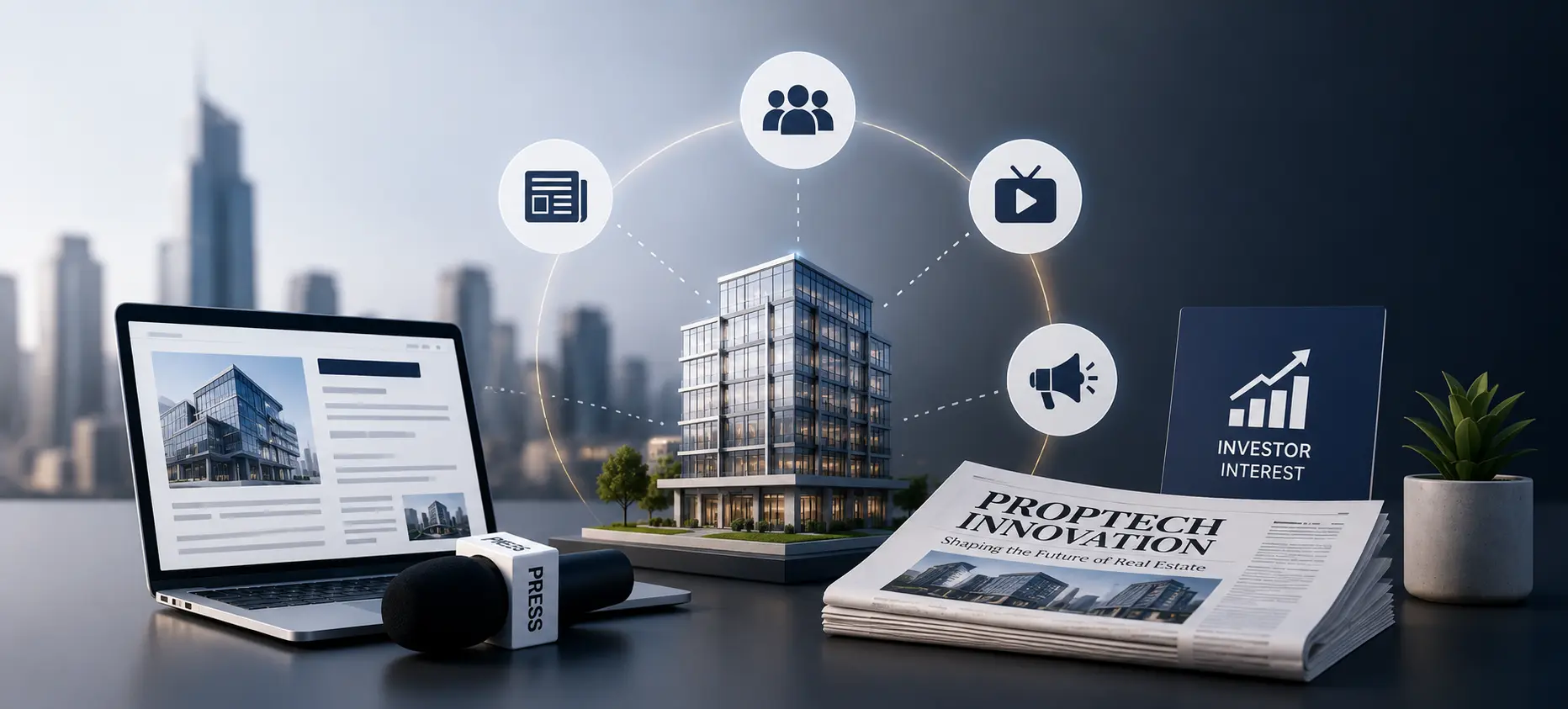
PR Strategy for PropTech Startups: Earning Press and Investor Attention Before You Raise
This blog lays out a pre-raise PR playbook for proptech founders built around timing, not volume, of press coverage. It explains why research shows more media mentions can actually backfire past a certain threshold, and why narrative quality beats raw mention count with investors. It covers how investors actually use press coverage during due diligence, and what they're typically searching for before a first call. It walks through a practical three-to-six-month PR timeline, plus which trade outlets matter most for real estate versus general tech press. It closes with a DIY versus agency comparison, common PR mistakes that sink fundraising, and a 10-question FAQ section.
August 26, 2026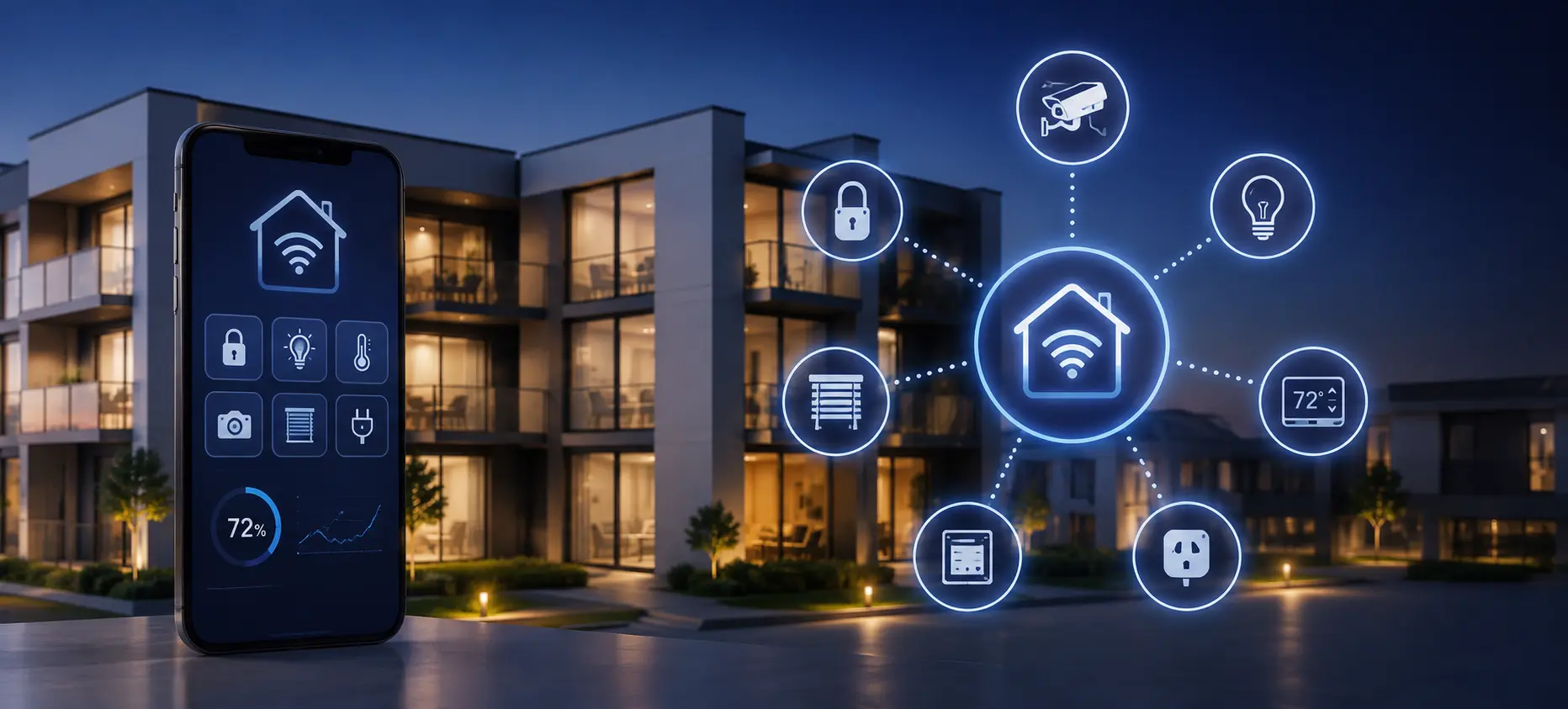 Real Estate
Smart Home and IoT Integration for Property Operators: Cost, ROI, and What to Build First
This blog breaks down smart home and IoT integration for property operators, covering real costs, real ROI, and exactly what to build first. It walks through actual pricing by portfolio size, from new construction to full enterprise retrofits. It explains where the ROI really comes from, including energy savings data from a major retrofit case study and renter demand statistics. It lays out a staged build order, starting with access control and climate sensors before predictive maintenance, security, and tenant apps. It closes with a data privacy and security checklist, a DIY versus integration partner comparison, and a 10-question FAQ section.
August 24, 2026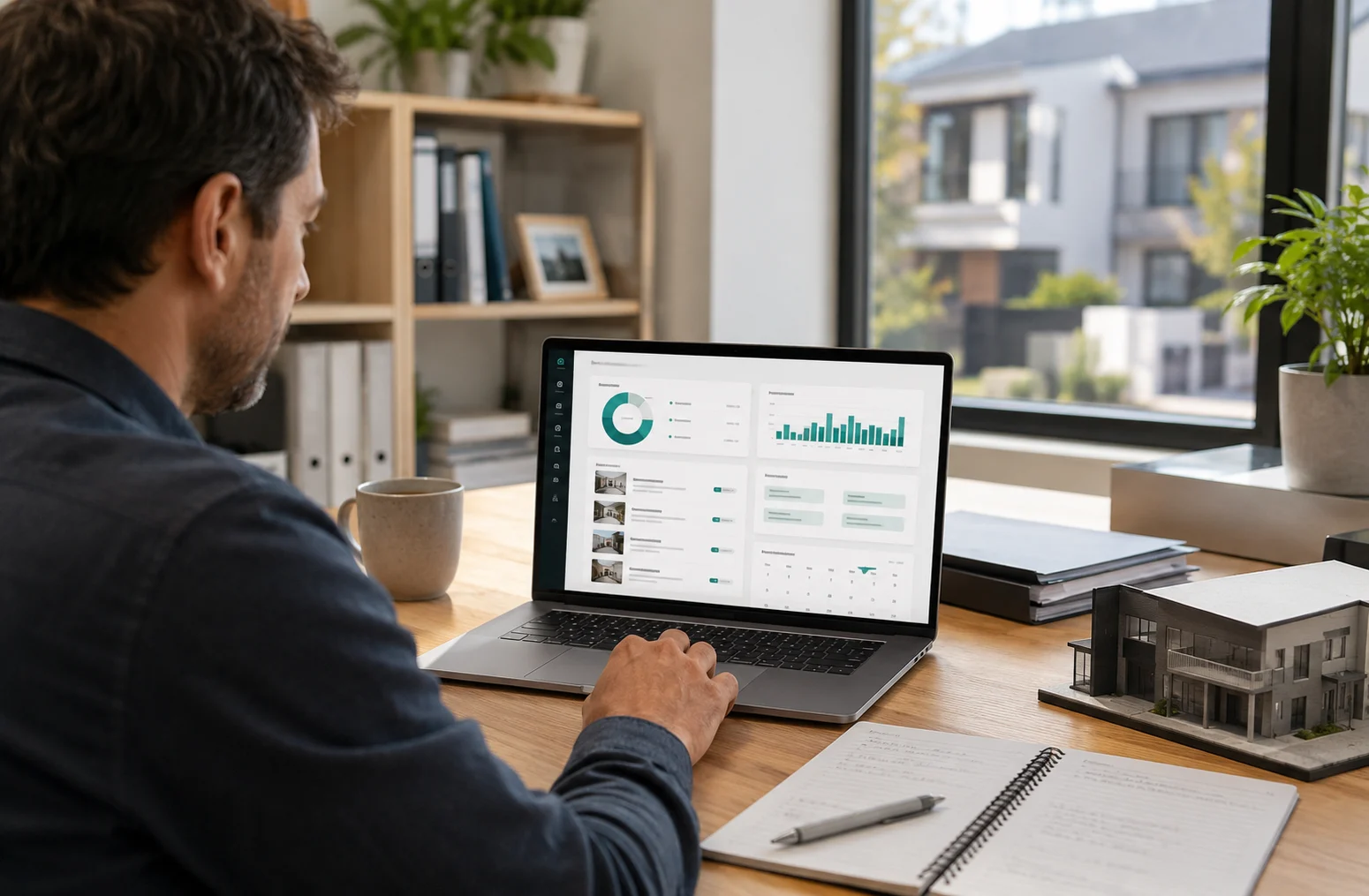 Real Estate
What should a PMS do for small-scale property managers?
The ideal PMS for a small-scale property manager (typically 10 to 500 units) should do ten things well: capture every rent payment automatically, log every maintenance ticket with photo evidence and vendor dispatch, hold every tenant lease and document in one searchable place, generate owner and investor statements in one click, run automated rent reminders and late-fee escalation, screen tenants with credit and eviction history, sync with the operator's accounting stack (QuickBooks, Xero), work on mobile so field checks and unit walks happen on a phone, integrate with a website for listing marketing and online applications, and produce broker-visible dashboards that let the manager see occupancy, delinquency, and cash flow at a glance. AppFolio Property Manager Core, Buildium, DoorLoop, Rentec Direct, and Hemlane are the platforms most adopted at this scale in 2026, at $1.40 to $4 per unit per month. This post covers what the ideal PMS should do, which platforms actually deliver it, and how to pick without overpaying.
August 22, 2026
Ready to book a 30-minute strategy call?
We'll map the right digital moves for your real estate business, no pitch deck, no commitment.