
Digital solutions for real estate staging companies
Purpose-built technology for real estate staging companies managing inventory, project scheduling, and client growth. From portfolio websites and consultation booking platforms to inventory tracking dashboards and agent marketing systems, every tool is designed around how staging businesses win projects, coordinate installations, and build long-term relationships with the agents and developers who drive repeat revenue.
Trusted by 50+ operators, PropTech companies & digital-first brands


























What does a digital agency for digital solutions for real estate staging companies do?
Noseberry Digitals is a full-stack PropTech agency that builds custom digital infrastructure for real estate staging companies, including portfolio websites, inventory management platforms, CRM systems, project scheduling dashboards, marketing automation, and SEO strategies. The agency serves residential stagers, luxury staging firms, commercial staging operations, virtual staging providers, and model home design companies across 14+ countries, delivering technology that increases booking volume, streamlines operations, and positions the brand as the preferred staging partner for agents, brokerages, and developers.
Why most staging companies stay small despite growing demand.
- Consultation requests come through phone calls, DMs, and emails with no structured intake system to qualify opportunities, estimate scope, or schedule site visits without multiple rounds of back-and-forth communication.
- Inventory tracking relies on spreadsheets or memory, making it difficult to know which pieces are available, where furniture is currently placed, and when items are scheduled for pickup or redeployment.
- The company website features beautiful project photos but generates almost no inbound enquiries from agents and developers searching for staging services in the local market.
- Agent relationships are managed informally, with no system to identify top referral sources, nurture new contacts, or re-engage past clients who have not booked in several months.
- Scaling from a small operation to a multi-project, multi-crew team requires coordination tools that most staging companies try to solve with text messages and personal calendars.
Who this is built for in real estate staging.

Residential staging companies
Full-service stagers furnishing occupied and vacant homes for sale who need booking platforms, inventory management, project scheduling tools, and a portfolio website that converts browsing agents into consultation requests.
Luxury and high-end staging firms
Premium staging operations serving the luxury market who need an elevated digital presence, curated portfolio showcases, concierge-style booking experiences, and marketing systems that reach luxury agents and estate-level developers.
Virtual staging providers
Digital staging companies creating photorealistic furnished renderings who need before-and-after portfolio galleries, fast-turnaround order management platforms, style selection tools, and marketing that educates agents on the ROI of virtual staging.
Commercial and model home staging
Companies staging model units for developers, multifamily lease-ups, and commercial showrooms who need project management dashboards, developer proposal tools, multi-property coordination systems, and marketing tailored to the development and construction audience.
Staging rental and furniture leasing operations
Inventory-focused businesses renting staging furniture to stagers, agents, and homeowners who need catalogue websites, availability tracking, rental duration management, and delivery logistics coordination across multiple simultaneous orders.
What gets built for real estate staging companies.
Portfolio website and service pages
A visually compelling website with curated room galleries, before-and-after showcases, service descriptions, pricing frameworks, service area coverage, and consultation booking flows. Every page is structured to convert agents and developers researching staging services into scheduled site visits.
Consultation booking and intake platform
A self-service system where agents and homeowners submit property details, upload listing photos, select service tiers, and schedule consultation appointments. Automated confirmations and reminders eliminate the back-and-forth that delays project kickoff.
Inventory management dashboard
A centralised system tracking every furniture piece, accessory, and decor item across warehouse, in-transit, and on-site locations. Availability updates in real time as projects are scheduled, installed, and de-staged, preventing double-booking and optimising inventory utilisation.
Project scheduling and crew coordination
A production calendar showing every active project with installation dates, de-staging deadlines, crew assignments, and delivery logistics. Team leaders see daily and weekly workloads at a glance and adjust assignments when schedules shift.
Agent CRM and referral management
A relationship platform tracking every agent's project history, booking frequency, average project value, and referral activity. Automated re-engagement sequences activate when regular clients go quiet, and loyalty triggers reward high-volume accounts with priority scheduling.
Marketing and lead generation engine
Local SEO landing pages, email campaigns targeting agents and brokerages, social media content showcasing recent projects, and referral programme infrastructure. Marketing that keeps the booking pipeline full and positions the company as the go-to staging partner in each service area.
Services tailored for real estate staging companies.
How the engagement works with real estate staging companies.
- 01
Business operations and workflow audit
The engagement opens with a detailed review of your current consultation process, inventory management approach, project scheduling workflow, client relationship management, and marketing activity. Every bottleneck between initial enquiry and completed installation gets documented and prioritised.
- 02
Strategy and platform architecture
Digital strategy is shaped around your business model, including service types, inventory scale, team size, geographic coverage, and growth targets. Technology decisions cover booking logic, inventory tracking requirements, scheduling features, CRM segmentation, and integration points with accounting and logistics tools.
- 03
Brand identity and website build
The company's digital identity launches with a redesigned website featuring curated project galleries, service descriptions, pricing pages, service area coverage, and seamless consultation booking. Brand identity extends to proposal templates, lookbook formats, social media assets, and printed materials for brokerage presentations.
- 04
Inventory, scheduling, and CRM deployment
The operational infrastructure goes live. Inventory tracking begins monitoring every piece across locations and projects, the scheduling dashboard coordinates crews and deliveries, and the CRM starts capturing agent relationships and booking patterns from the first consultation.
- 05
Marketing and SEO activation
Local SEO landing pages, agent outreach campaigns, email nurture sequences, and social media strategies deploy to fill the consultation pipeline. Each campaign targets the agents, brokerages, and developers who make staging vendor decisions in your specific service markets.
- 06
Launch, team training, and growth optimisation
All platforms launch with hands-on training for designers, installation crews, and office staff. Post-launch, booking conversion rates, agent retention metrics, inventory utilisation data, and marketing performance inform quarterly refinements that identify capacity planning needs and new revenue opportunities.
You may also need these
Most engagements grow into 3–4 services as the work compounds. Here's where digital solutions for real estate staging companies naturally pairs.
Ready to tell us what you're building?
We come back with a written proposal in 5 business days. No slides, no hard sell. And if we're not the right partner, we'll tell you that.
Digital solutions for real estate staging companies
Case Studies
Results we've driven for clients like yours.
Each case study breaks down the challenge, the approach, and the measurable result. Real estate operators, real builds, real numbers.
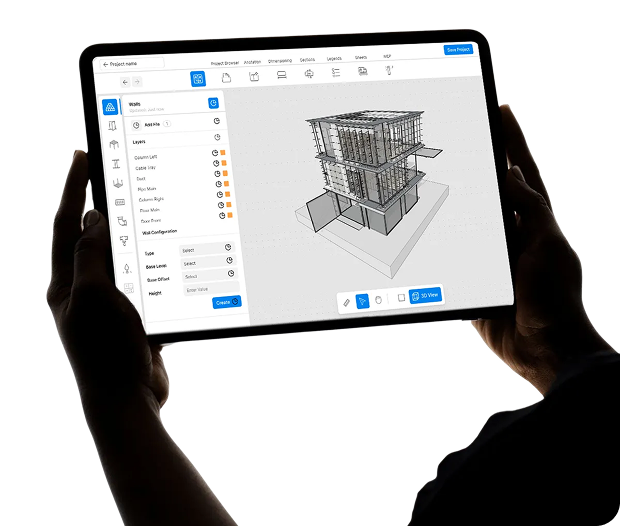
Modern Digital Presence for Design Drafter’s MEP Platform
MEP engineering services & construction tech65%
faster navigation
Website Design and Development for a Modern Coliving Brand
Coliving Shared Spaces50%
lower bounce rate
The Start of Fllat.com Developing the Platform Shaping the Future of Coliving
Coliving4%
higher occupancyFrequently asked questions
Can the inventory system track furniture across multiple projects and warehouse locations?
Yes. Every item is tracked with its current status, whether available in warehouse, in transit, on-site at a specific property, or scheduled for pickup. The dashboard updates in real time as projects are booked, installed, and de-staged, preventing double-booking and giving the team full visibility into what is available for upcoming projects.
How does the booking platform handle different service tiers and pricing?
The platform supports multiple service levels, from consultation-only to full vacant staging and occupied styling. Pricing adjusts based on property size, room count, service tier, and staging duration. Agents select their options during booking, add-ons are presented in context, and estimates generate automatically based on the configured pricing rules.
Can the CRM identify which agents book the most and which need re-engagement?
Every agent profile tracks project history, booking frequency, total revenue, and time since last booking. When a regular client's activity drops below their normal pattern, automated re-engagement sequences activate. Retention triggers can include priority scheduling, seasonal promotions, or personal outreach depending on the client's value and history.
Does the platform support virtual staging orders alongside physical staging?
The platform is configured to manage both physical and virtual staging workflows. Virtual staging orders follow a separate intake flow with photo uploads, style selection, and revision tracking, while physical staging projects follow the full inventory, scheduling, and installation workflow. Both feed into the same CRM and reporting systems.
How long does the full platform take to launch?
A comprehensive engagement covering website, booking platform, inventory management, CRM, and marketing infrastructure typically takes eight to twelve weeks from kickoff. Phased rollouts allow launching the website and booking system first, then adding inventory tracking, crew scheduling, and marketing automation in subsequent phases.